1. Triage the hazards
Sharps come first, then soaked items, then everything else. This order keeps the crew and the property safer.
St. Charles, MN · Winona County
Used needles, bloody bandages or a full sharps box can leave a property owner unsure what to do next. In St. Charles, call (877) 812-4220 and describe what you have. Pickup, hauling and disposal can all be handled for you.
If anyone is in danger, call 911 first. For a suicide crisis, call or text 988.
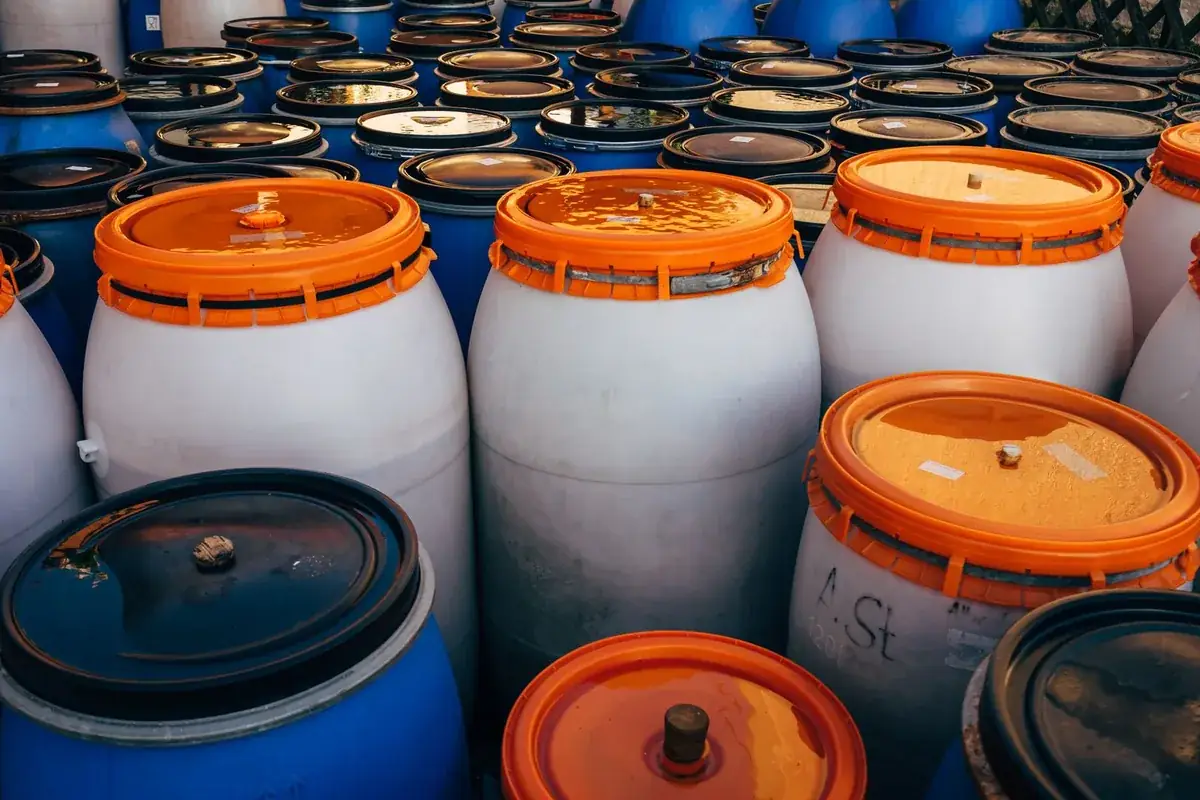
Medical waste removal covers one-time jobs and repeat pickups. A family clearing a sick room and a small clinic with weekly sharps containers both need contaminated items packed and hauled safely.
If your St. Charles home, small clinic, care home or rental unit has sharps, soaked supplies or other clinical waste, call St. Charles Biohazard Cleanup Help to get it collected anywhere in Winona County. The team wears protective equipment and follows the OSHA Bloodborne Pathogens Standard, 29 CFR 1910.1030.
Even in a community like St. Charles, where seniors are only about 14% of residents, medical waste turns up after injuries, surgeries and clinic work. If anyone is stuck by a needle or splashed, the nearest emergency room is Olmsted Medical Center in Rochester, about 17 miles away. Call 911 if it is an emergency.
Medical Waste Removal in St. Charles usually includes:
Sharps come first, then soaked items, then everything else. This order keeps the crew and the property safer.
Crews bring the right containers for sharps, fluids and soaked items, so nothing is moved in a way that risks a stick.
Waste is loaded, the area is checked for stray items and surfaces are wiped down before the crew leaves.
Floors, shelves or drawers that held the waste are disinfected with EPA-registered products, and any odor is addressed.
The cost of medical waste removal in St. Charles, MN depends on the amount of material, how it is packed and how it is hauled.
One-time pickups and repeat schedules are priced differently. A clinic with regular sharps containers may set up a routine instead of paying per call.
| Type of job | Typical range |
|---|---|
| Dental office | $50 - $175 per month |
| Regulated medical waste | $0.30 - $0.80 per pound |
| Small physician practice | $75 - $200 per month |
| Medical waste disposal | $2 - $20 per pound |
Estimates only, not a quote. Sources: MedPro Disposal, Fixr. Price drivers include weight of waste, type of waste, how often pickup happens, container and transport fees. Call (877) 812-4220 to talk through the job.
Medicine is usually kept apart from medical waste. A pharmacy, a take-back program or the local health department can say what applies where you live. A cleanup team can tell you whether it takes medicine or only sharps and clinical waste.
Many teams can arrive in an unmarked vehicle and work quietly. If privacy matters, ask about it when you call. The team asks only what it needs to plan the job, and you decide what else to share.
Needles and soaked items should not go in household trash. They can injure sanitation workers and spread germs. Rules for small household amounts of sharps vary by city and county, so the local health department can say what applies. A cleanup team can take anything larger or anything from another person's care.
Leave the items where they are if you can, and keep people and pets away. Do not try to move loose needles by hand. When you call, ask whether the team can bring a container, and follow its advice. If anyone is stuck, wash the area and get medical care.
No. This page explains the process of medical waste removal. It is not medical, legal or insurance advice. For exposure or symptoms, contact a doctor or Poison Control, and for rules in your area, ask the local health department.
Not exactly. A sharps container is a rigid, puncture-resistant box made for needles and similar items. A biohazard bin or bag holds other contaminated waste, such as soaked dressings. A cleanup team uses both and seals them for transport.
Keep people and pets back, then call for safe collection.
Call (877) 812-4220